
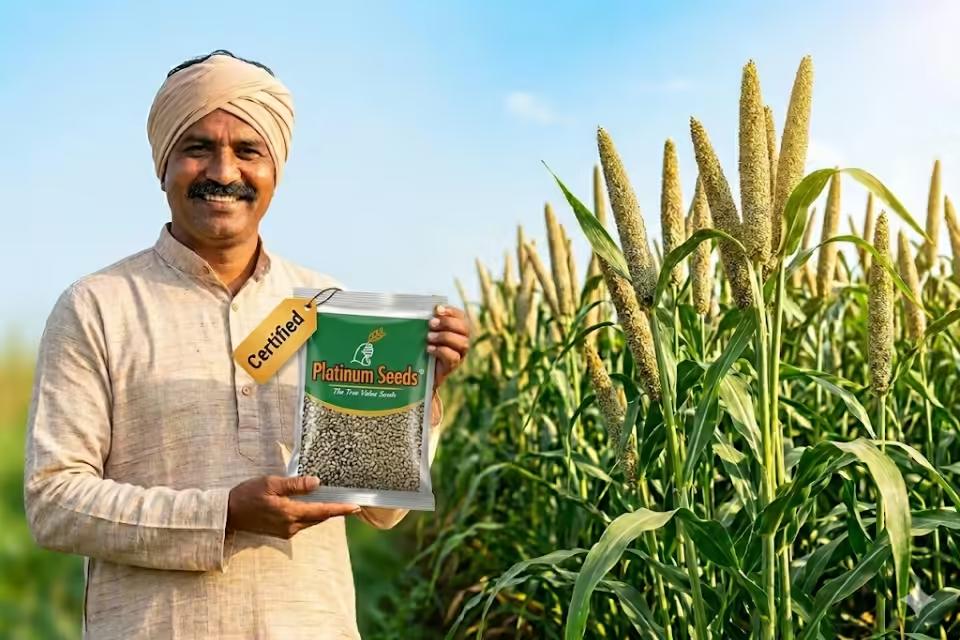
When it comes to boosting crop yield, the foundation starts with your choice of seeds. If you are wondering how to choose hybrid bajra seed India farmers often find themselves overwhelmed by the sheer variety of brands and types available in the market today. Selecting the right seed is a critical decision.
Why Quality Seed Selection Matters
Bajra, or pearl millet, is a staple across many Indian states like Rajasthan, Haryana, and Gujarat. To ensure a profitable harvest, understanding how to choose hybrid bajra seed India specifically for your local climate is the first step toward agricultural success. Hybrid seeds offer higher resistance to diseases and better adaptability to harsh weather.
You can also read : Complete Guide to Hybrid Bajra Farming in India (2026) — From Sowing to Harvesting
Factors to Consider: How to Choose Hybrid Bajra Seed India
To maximize your output, you need a systematic approach. Here is a breakdown of the essential factors involved in how to choose hybrid bajra seed India for the upcoming sowing season.
1. Climate and Rainfall Patterns
India has diverse agro-climatic zones. Some hybrid seeds are bred specifically for drought-prone areas, while others thrive in regions with assured irrigation. Before purchasing, check if the seed variety is suitable for your specific district’s rainfall history.
2. Soil Type and Quality
Bajra grows well in sandy and loamy soils. However, different hybrids react differently to soil salinity. When researching how to choose hybrid bajra seed India, always look for seeds that match your soil’s pH levels and nutrient profile.
3. Maturity Duration
Farmers often choose between early-maturing (70–80 days) and late-maturing (85–100+ days) varieties. If you plan on a multi-cropping system, early-maturing hybrids are often the best choice to clear the field for the next crop.
4. Resistance to Pests and Diseases
Downy mildew and Ergot are common threats to bajra. A key part of how to choose hybrid bajra seed India is verifying that the hybrid has built-in resistance to these local pathogens, reducing your dependency on expensive chemical sprays.
Tips for Buying Authentic Hybrid Seeds
- Check the Tag: Always look for the “Certified Seed” tag issued by the State Seed Certification Agency.
- Brand Reputation: Stick to well-known brands like Pioneer, Bayer (Arize), or Nuziveedu, which have a proven track record in Indian fields.
- Germination Rate: Ensure the packet mentions a germination percentage of at least 75-80%.
- Expiry Date: Never use seeds from a previous season that have passed their “valid till” date.
Conclusion: Mastering How to Choose Hybrid Bajra Seed India
Selecting the right variety is not just about the price tag; it’s about the potential return on investment. By focusing on how to choose hybrid bajra seed India based on your specific land conditions—such as soil health, water availability, and local disease history—you can significantly increase your grain and fodder yield. Remember, a small investment in high-quality hybrid seeds today leads to a bountiful harvest tomorrow.
Frequently Asked Questions
The Kharif season (June to July) is the primary time for sowing bajra in most parts of India, as the monsoon rains support early growth.
No. Hybrid seeds are created by crossing two different parents. If you save and plant seeds from the harvest, the second generation will not have the same yield or disease resistance. You must buy fresh seeds every season.
Generally, 1.5 to 2 kg of hybrid bajra seed is sufficient for one acre, depending on the sowing method (drilling or broadcasting).
Yes, many farmers specifically look for how to choose hybrid bajra seed India that offers “dual-purpose” benefits—providing high grain yield for sale and green, juicy stalks for livestock fodder.