
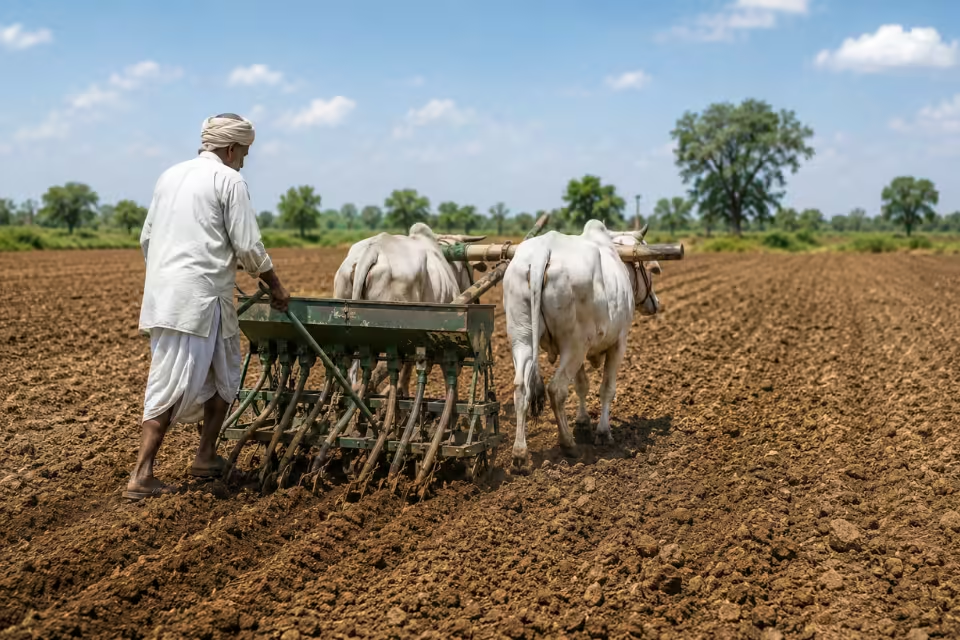
In Indian farming, choosing the correct Bajra sowing time in India is one of the biggest factors that determines crop success. Even the best-quality seeds cannot perform well if sowing is delayed or done in unsuitable weather conditions.
With changing climate patterns, delayed monsoons, and rising temperatures, farmers in 2026 must plan their pearl millet cultivation more strategically than ever before. Understanding the ideal sowing window for your state can help improve:
- Germination percentage
- Plant vigor
- Grain filling
- Drought tolerance
- Overall yield and profitability
Whether you cultivate pearl millet in the dry regions of Rajasthan, the irrigated fields of Haryana, or the mixed farming systems of Gujarat and Uttar Pradesh, this detailed guide will help you understand the ideal Bajra sowing time in India for maximum productivity.
Why Correct Bajra Sowing Time in India Matters in 2026
India is the world’s largest producer of pearl millet (Bajra), and demand for millets continues to grow rapidly due to increasing health awareness and government support.
According to agricultural reports:
- India produces over 18 million tonnes of millets annually
- Rajasthan alone contributes around 40% of total Bajra production
- The Government of India has significantly increased millet promotion under the “Shree Anna” mission
- The 2026–27 agriculture budget crossed ₹1.30 lakh crore, supporting climate-resilient crops and modern seed technologies
Because of erratic rainfall and rising heat stress, timely sowing has become more important than ever. Farmers who follow the correct Bajra sowing schedule often achieve:
✅ Better germination
✅ Strong root development
✅ Reduced pest pressure
✅ Higher grain weight
✅ Better market prices
You can also read : Hybrid Bajra vs Desi Bajra in India: Which Seed Is Right for Your Farm?
Best Bajra Sowing Time in India (State-Wise Calendar 2026)
The ideal sowing period depends on monsoon arrival, soil moisture, irrigation availability, and temperature.
|
State |
Kharif Sowing Time |
Summer/Rabi Window |
Ideal Temperature |
|
Rajasthan |
June 15 – July 15 |
November (limited) |
28°C – 35°C |
|
Haryana |
July 01 – July 25 |
February – March |
25°C – 32°C |
|
Uttar Pradesh |
June 25 – July 20 |
February – March |
26°C – 34°C |
|
Gujarat |
June 15 – July 10 |
January – February |
25°C – 35°C |
|
Maharashtra |
June 01 – July 15 |
October – November |
24°C – 33°C |
This schedule helps farmers optimize moisture availability and avoid crop stress during flowering and grain formation.
Regional Guide for Bajra Sowing Time in India
1. Rajasthan: India’s Bajra Hub
Rajasthan is India’s leading Bajra-producing state because pearl millet performs exceptionally well in sandy soils and low-rainfall areas.
Ideal Sowing Time
- Mid-June to early July
- Immediately after first effective monsoon showers
Why Timing Matters
Late sowing may expose the crop to:
- Heat stress during flowering
- Moisture shortage during grain filling
- Lower grain size and yield
Best Practice
Farmers should complete sowing before the first week of July for better productivity.
2. Haryana & Punjab: Shift Toward Summer Bajra
Many farmers in Haryana now cultivate:
- Summer Bajra (Zaid season)
- Irrigated pearl millet hybrids
Ideal Kharif Window
- July 1 to July 25
Summer Bajra Window
- February to March
Summer cultivation offers:
- Lower pest infestation
- Better grain quality
- Improved market rates
3. Uttar Pradesh: Balanced Kharif and Summer Cultivation
UP farmers increasingly prefer hybrid Bajra due to:
- Better yield potential
- Strong market demand
- Livestock fodder requirements
Recommended Sowing Period
- June 25 to July 20
Summer Crop
- February to March with irrigation support
Proper timing helps avoid:
- Waterlogging
- Early drought stress
- Flowering-stage heat damage
4. Gujarat: High Potential for Summer Bajra
Gujarat farmers are adopting:
- Summer Bajra hybrids
- High-density sowing methods
Ideal Kharif Sowing
- June 15 to July 10
Summer Bajra
- January to February
Summer Bajra cultivation in Gujarat provides:
- Cleaner grains
- Lower fungal disease pressure
- Better export quality produce
5. Maharashtra: Extended Growing Opportunities
Maharashtra supports both:
- Rainfed Bajra
- Irrigated Rabi Bajra cultivation
Recommended Timing
- June to mid-July for Kharif
- October–November for limited Rabi cultivation
You can also read : How to Choose the Right Hybrid Bajra Seed India: A Practical Guide for Farmers
How Climate Change Is Affecting Bajra Sowing Time in India
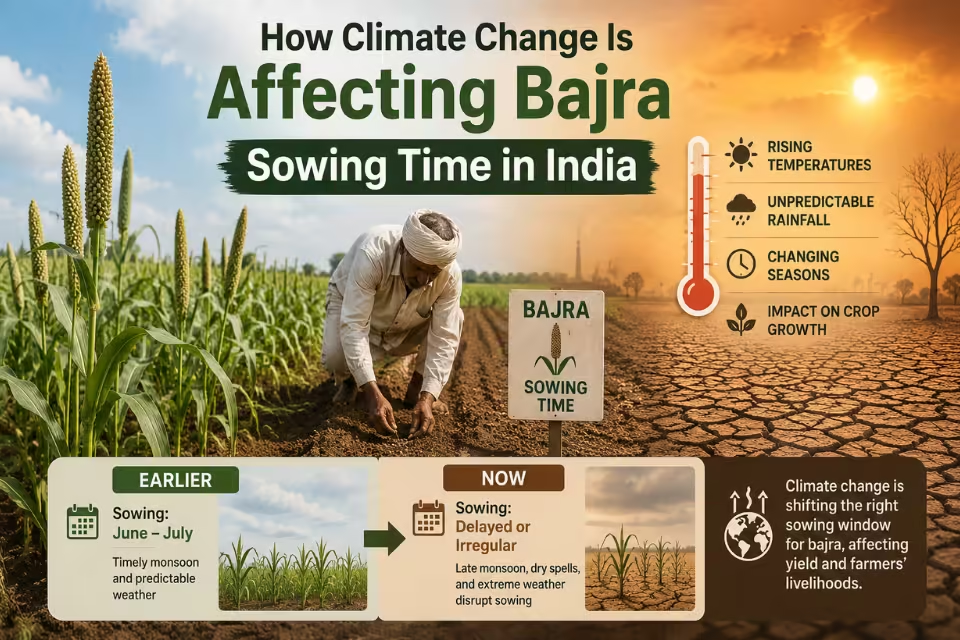
Climate uncertainty is changing traditional farming calendars across India.
Major challenges include:
- Delayed monsoon
- Sudden heavy rainfall
- Heat waves above 40°C
- Moisture stress during flowering
This makes seed quality and sowing timing more important than ever.
Modern hybrid Bajra seeds now offer:
- Drought tolerance
- Faster maturity
- Heat resistance
- Better stress recovery
Best Soil Conditions for Bajra Sowing
For healthy germination:
- Soil temperature should remain above 22°C
- Well-drained sandy loam soils perform best
- Avoid waterlogged fields
Recommended Soil pH
- 6.0 to 7.5
Seed Depth
- Dry soil: 3–4 cm
- Moist soil: 1.5–2.5 cm
Correct sowing depth ensures:
- Better root establishment
- Uniform crop stand
- Faster emergence
Why Farmers Prefer Hybrid Bajra Seeds in 2026
Modern farmers increasingly prefer hybrid Bajra because of:
✅ Higher grain yield
✅ Uniform maturity
✅ Better disease resistance
✅ Strong drought tolerance
✅ Improved marketability
Many hybrid varieties can produce:
- 18–30 quintals per hectare under proper management
You can also read : Complete Guide to Hybrid Bajra Farming in India (2026) — From Sowing to Harvesting
Why Choose Platinum Seeds for Bajra Farming?
Platinum Seeds is a premium seed company in India offering high-quality OP and F1 hybrid seeds for modern Indian agriculture.
The company focuses on:
- High germination seeds
- Climate-resilient hybrids
- Better field performance
- Disease-resistant genetics
- Farmer profitability
Platinum Seeds Offers:
- Hybrid Bajra Seeds
- OP Bajra Seeds
- Fodder Seeds
- Vegetable Seeds
- Field Crop Seeds
Farmers trust Platinum Seeds because of:
- Reliable seed quality
- Strong seed vigor
- Consistent crop performance
- Advanced agricultural research
Explore Premium Bajra Seeds Here:
https://platinumseeds.in/product-category/pearl-millet/
Benefits of Choosing the Right Bajra Sowing Time
Correct sowing timing helps farmers achieve:
- Better germination rate
- Uniform crop growth
- Higher tiller count
- Strong grain development
- Reduced irrigation cost
- Improved market price
Even a delay of 10–15 days can significantly reduce yield potential in some regions.
Conclusion
Understanding the correct Bajra sowing time in India is essential for maximizing productivity and reducing climate-related risks in 2026.
Whether you are cultivating Bajra in Rajasthan, Haryana, Uttar Pradesh, Gujarat, or Maharashtra, timely sowing combined with premium-quality hybrid seeds can dramatically improve farm profitability.
As weather conditions continue to change, farmers must combine:
- Scientific sowing practices
- High-quality seeds
- Proper field management
to achieve stable and profitable pearl millet production.
Choosing the right sowing window is not just a farming activity — it is the foundation of a successful harvest.
Frequently Asked Questions
The ideal sowing time varies by state, but generally Kharif Bajra is sown between June and July after monsoon arrival.
Yes, summer Bajra can be cultivated with irrigation support, especially in Haryana, Gujarat, and Uttar Pradesh.
Late sowing may reduce:
- Grain weight
- Tillering
- Overall yield
It can also expose crops to heat and moisture stress during flowering.
Soil temperatures above 22°C and ambient temperatures between 25°C–35°C are ideal for Bajra cultivation.
Modern hybrid drought-tolerant Bajra seeds from premium companies like Platinum Seeds perform well under water-stress conditions.