
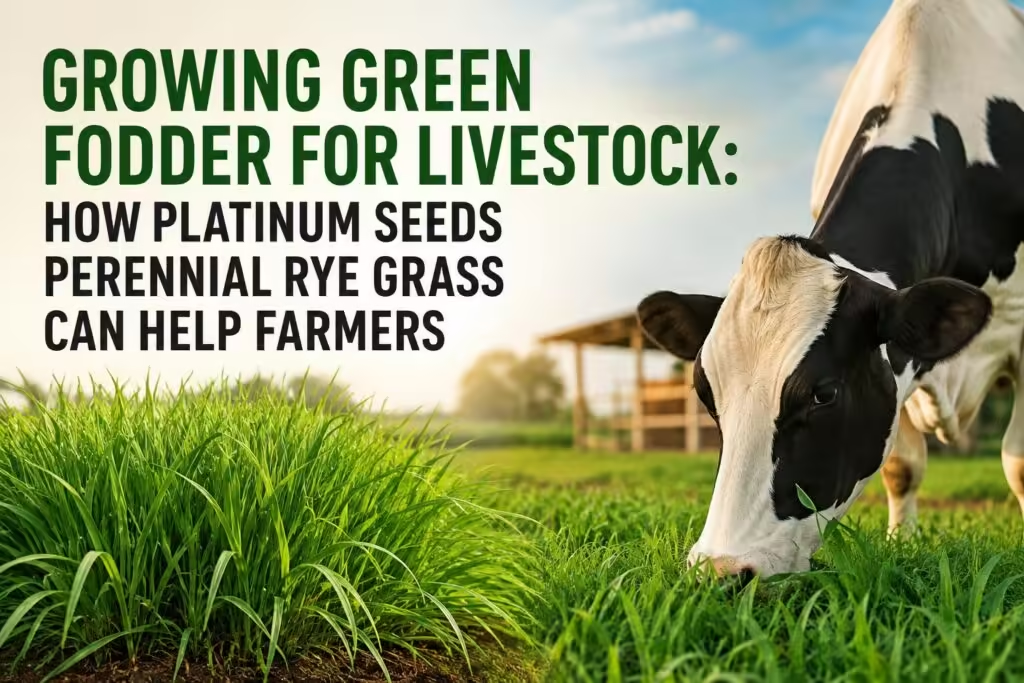
Green fodder plays an important role in livestock nutrition. Dairy farmers and livestock owners need a regular supply of fresh, nutritious feed to support the health and productivity of their animals. However, seasonal changes, limited farmland, and changing weather conditions can make it difficult to maintain a consistent supply of quality green fodder.
Platinum Seeds Perennial Rye Grass, also known as Malai Grass, offers farmers a suitable forage option for growing fresh green fodder for livestock. With proper cultivation and farm management, it can become a useful part of a livestock feeding programme.
What Is Perennial Rye Grass?
Perennial Rye Grass is a forage grass cultivated for livestock feeding. It produces green leafy growth and is commonly considered for grazing and fodder production.
The Platinum Seeds Perennial Rye Grass shown in the product packaging is marketed with qualities including high protein content, superior digestibility, and energy density, making it an attractive option for farmers looking to add nutritious green fodder to their livestock feeding routine.
As with any fodder crop, its actual performance depends on factors such as climate, soil, irrigation, seed quality, cultivation practices, and crop management.
Why Green Fodder Is Important for Livestock
Green fodder can be an important part of a balanced livestock diet. It provides fresh forage and can complement other feed sources used on dairy and livestock farms.
Regular availability of green fodder can help farmers maintain a more organised feeding routine while reducing complete dependence on purchased fresh fodder.
For dairy farmers, maintaining good-quality feed is particularly important because proper nutrition is closely connected with the overall health and productivity of animals.
Read More: F1 Hybrid Okra Varieties 2026: A Complete High-Yield Bhindi Farming Guide
Benefits of Growing Perennial Rye Grass
Perennial Rye Grass can be a useful choice for farmers who want to include a dedicated forage crop in their farming system.
Its green growth makes it suitable for use as fresh fodder, while its nutritional characteristics can make it a valuable addition to the overall feed programme when used appropriately.
The product information on the Platinum Seeds pack highlights its high protein content, superior digestibility, and energy-dense nature, which are important qualities when selecting forage for livestock.
However, farmers should always consider their animals’ nutritional requirements and use fodder as part of a properly balanced diet.
How Farmers Can Grow Green Fodder Successfully
Successful fodder production depends on more than selecting the right seed. Farmers need to provide suitable growing conditions from sowing through harvesting.
Before sowing Perennial Rye Grass, farmers should consider their local climate, soil condition, irrigation availability, and the amount of fodder required for their livestock.
Good land preparation can help establish the crop properly. Adequate moisture should be maintained during the growing period, while excessive water accumulation should be avoided.
Regular monitoring of the crop can also help farmers identify problems related to pests, diseases, weeds, or nutrient deficiencies at an early stage.
Water Management Matters
Water is essential for healthy fodder growth, but irrigation needs to be managed carefully.
Farmers should provide water according to the crop’s requirements and prevailing weather conditions. The soil should have sufficient moisture for healthy growth without remaining excessively wet.
An efficient irrigation system and proper drainage can help farmers manage water more effectively and maintain suitable growing conditions for Perennial Rye Grass.
Harvesting Perennial Rye Grass
Harvesting at the appropriate growth stage is important when producing green fodder. Farmers should avoid harvesting too early or allowing the crop to become excessively mature.
The ideal harvesting stage can vary depending on local growing conditions and the intended use of the fodder. Farmers should follow appropriate cultivation recommendations for their area to achieve good forage quality and crop growth.
After harvesting, the fodder can be incorporated into the livestock feeding programme according to the animals’ nutritional requirements.
Making Green Fodder Part of a Livestock Feeding Plan
Green fodder works best when it is considered as one component of an overall livestock diet. Animals may require a combination of green fodder, dry fodder, concentrates, minerals, and clean drinking water depending on their age, breed, production stage, and nutritional needs.
Perennial Rye Grass can therefore be used alongside other appropriate feed sources rather than treated as the sole source of nutrition.
Farmers should also introduce any new fodder into the diet appropriately and take guidance from a qualified livestock nutritionist or veterinarian when necessary.
Why Quality Seed Matters
The quality of seed used at the beginning of cultivation can have a major influence on crop establishment. Farmers should select seed from a reliable source and follow recommended sowing practices.
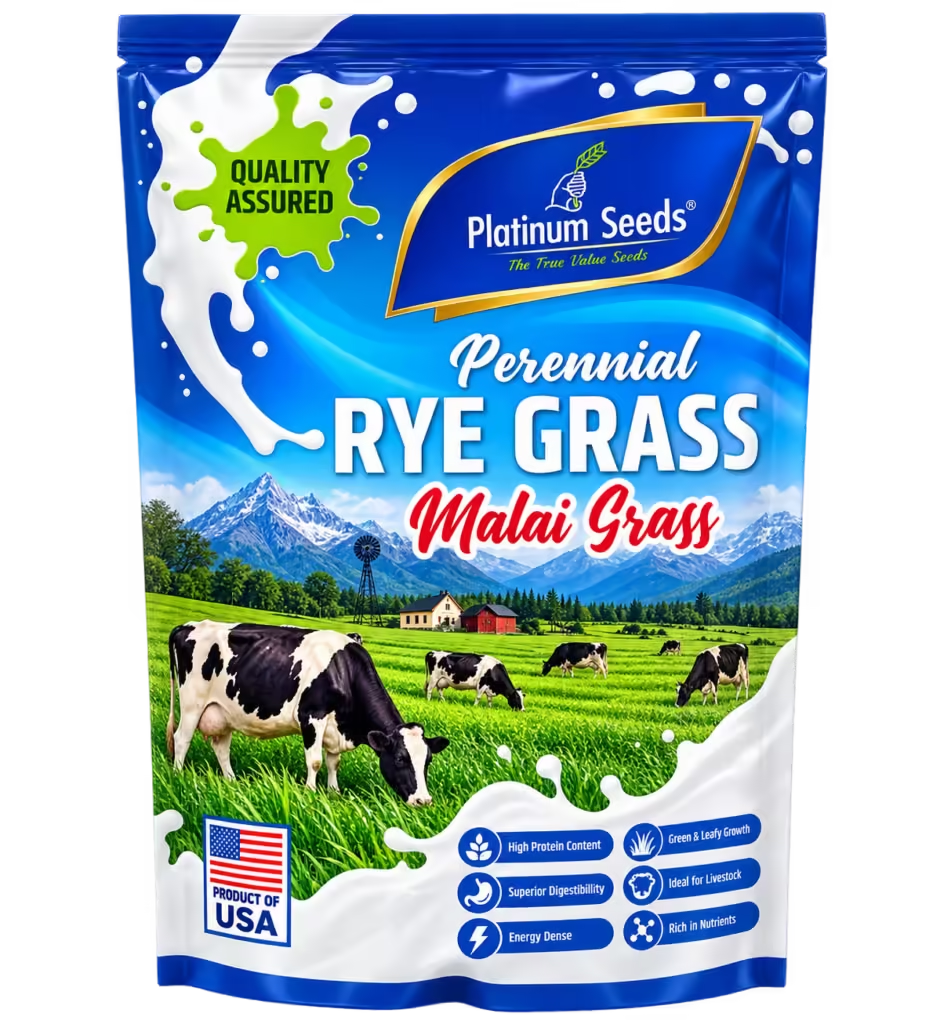
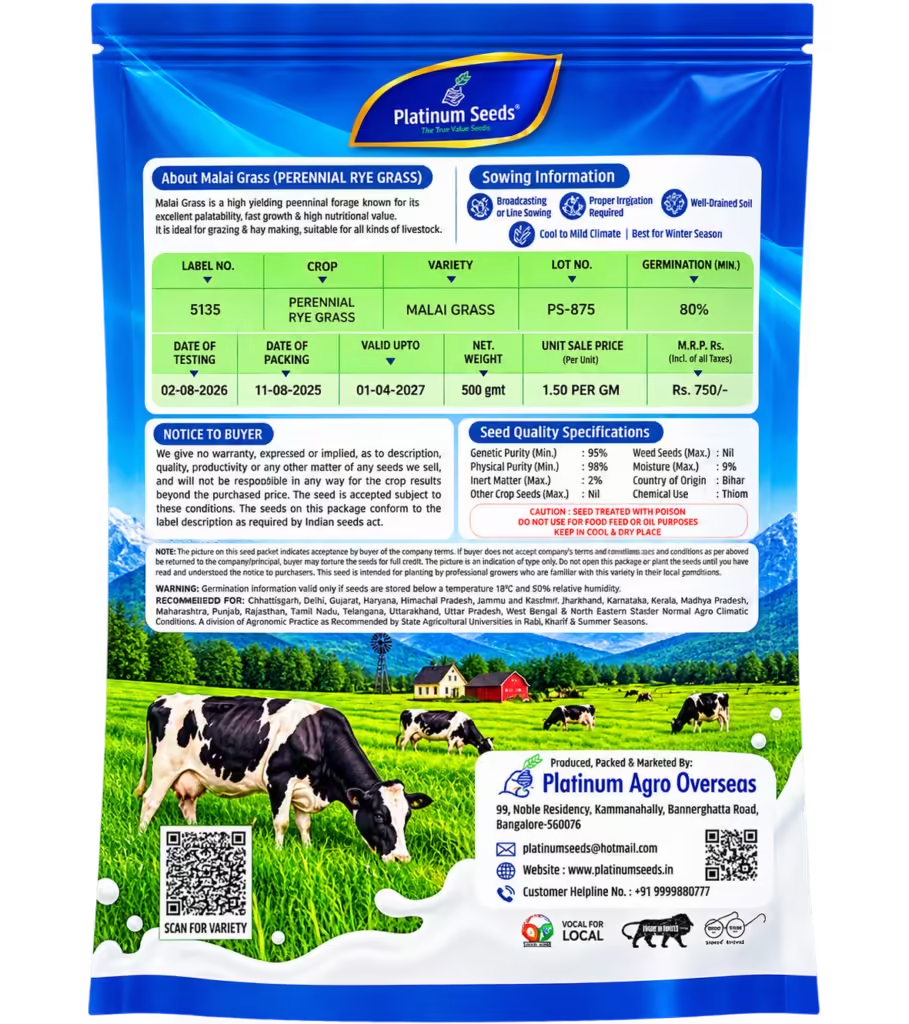
Platinum Seeds Perennial Rye Grass provides farmers with a dedicated forage seed option for green fodder cultivation. Using quality seed along with suitable soil preparation, irrigation, nutrition, and crop management can help farmers work towards healthy fodder production.
Read More: How Often Should You Harvest Okra Crop for Maximum Yield? What Varieties of Hybrid Okra Seeds Should You Choose?
Supporting Better Fodder Availability
For livestock farmers, growing green fodder on the farm can make feed planning more manageable. Instead of relying entirely on outside sources, farmers can dedicate suitable land to forage production and plan cultivation according to their livestock requirements.
Perennial Rye Grass can be considered as part of this approach, particularly for farmers looking for a green forage crop with nutritional qualities such as protein content and digestibility.
The key to successful fodder production is not just the seed itself but the complete cultivation process—from land preparation and sowing to irrigation, crop care, and timely harvesting.
Conclusion
A reliable supply of quality green fodder is an important part of efficient livestock farming. Choosing a suitable forage crop can help farmers plan their feed production and make better use of available agricultural resources.
Platinum Seeds Perennial Rye Grass (Malai Grass) offers farmers a forage option for green fodder cultivation, with the product packaging highlighting high protein content, superior digestibility, and energy density.
With suitable growing conditions, proper irrigation, timely crop management, and a balanced livestock feeding programme, Perennial Rye Grass can be a valuable addition to the farm’s fodder production system.